Lynn: I 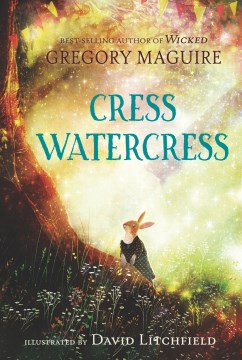 am a skeptical audience for animal fantasies. Some I love and some I dislike intensely. I may be the only person on the planet to loathe Watership Down but I adored the Brian Jacques books. I also am a fan of Gregory Maguire’s adult fantasies and was unsure how his sharp clever style would translate into a middle-grade book. After a bit of a slow start in his new book, Cress Watercress (Candlewick, 2022), Maguire settles into a masterful style and pace that brings something new to the genre and is perfectly attuned to the young audience.
Cress Watercress and her hardworking mother and baby brother must leave their home for new quarters after her Papa fails to come home from a honey-gathering trip. The Broken Arms apartment is small and crowded and Cress grieves her father and misses her home and friends. Her contrary feelings are exacerbated by a leap into adolescence and her mood is as if she “ate thorns for breakfast.” Real dangers, a very sick little brother, and a mix of new friends— both good and bad—add to Cress’s struggles and her path forward is skillfully woven into the adventure. Cress yearns to solve the mystery of her father’s disappearance and as she learns to handle her grief, she also begins to discover what home and family are. She also learns a lot about her own strength. Never saccharine, this rabbit’s tale is beautifully told.
The book is illuminated by David Litchfield’s glowing digital illustrations that make the book a visual treat. The book production by this Candlewick team is absolutely outstanding!!
This is a perfect choice for a bedtime or a classroom read-aloud!! Make note!
Cindy: There are at least two people who aren’t fans of Watership Down. You’re not alone, Lynn. What I am a fan of is intelligent stories that are as fun for the adult reading them aloud as for the child listening to them. This one has great characters, like a skunk named Lady Agatha Cabbage dressed for the opera peering through a lorgnette and uttering phrases like “Oh, my pearls and pistols.” Independent readers ready for interesting vocabulary and humor will enjoy reading this story, too. For instance, when Cress and Finny are headed over a waterfall on their raft, Cress hangs on by “strength of will and overbite.” Many unexpected little gems had me chuckling aloud. At other times, as when Cress’s mother uses the waxing and waning of the moon as an analogy for grief that comes and goes but is always there, the storytelling left me brushing away some tears.
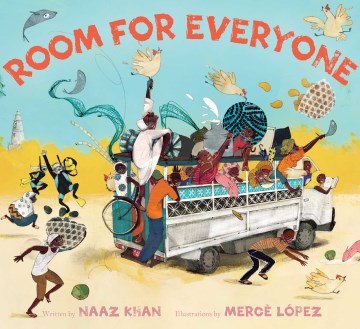 In Zanzibar on a day “hotter than peppers”, Musa and his sister get aboard the daladala for an excursion to the beach. In the delightful
  Cindy: This story is a fun twist on the Scottish folktale,
 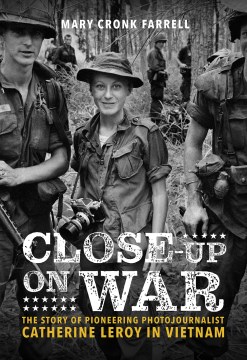 Did you ever wonder where the term “snapshot” comes from? Mary Cronk Farrell includes this tidbit (from the sound made as a picture was taken and the film advanced) in her outstanding new book, Close-Up on War: the Story of Pioneering Photojournalist Catherine Leroy in Vietnam (Abrams/Amulet, 2022). This fascinating book is also a snapshot – a captured picture of a pivotal time and the determined woman who recorded it on film for the world to see.
 bookendsblog.net