Lynn: 17 Indigenous teens, struggling with a variety of problems: unrequited love, grief, yearning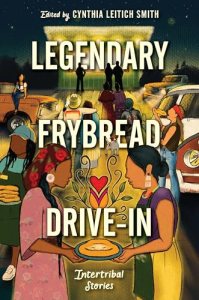 for a future opposite a mother’s dreams, a young singer ready for his first gig, jealousy, stage fright, and more. The stories, each by a different indigenous author, are found in the new anthology, The Legendary Frybread Drive-in (HarperCollins/Heartdrum/2025), edited by Cynthia Leitich-Smith. The stories are tied together by one magical realism element. Manned by legendary elders, Sandy June’s Legendary Frybread Drive-In appears when and where it is needed to Indigenous teens from reservations all over the country.
Made of plain concrete block with a faded neon sign, Sandy June’s doesn’t look like much, but the food is delicious! Descriptions of frybread, Indian tacos, Buffalo stew, and other dishes made my mouth water! The food is as healing as the tender, caring guidance of the elders who offer the teens a path to understanding their roots, their inner strengths, and their path – all based on generations of the love and experience of their ancestors.
I am a great fan of short story anthologies! Each new tale is like opening a surprise gift. I often have a chance to meet authors new to me and to discover something by a much-loved author. I especially enjoy anthologies with a theme and watching how the various authors play with that. Critics often deride them as “uneven” but to me, that is code for not liking some of the stories as much as others. That, it seems to me, is also a strength – there is something there for every taste. This charming book checked all the boxes for me. I especially loved the dual themes of the drive-in and the value and caring knowledge of the elders. As a doting grandmother, I highly appreciate this last one.
The stories are united in providing a hopeful ending to the searching teens, something that is important to teens of whatever culture, and especially to those of the indigenous nations. All are sweet without being cloying. They represent many tribes and many areas, and a glossary by chapter is provided for the various languages represented. Short biographies of the 17 authors are also added.
This is a definite purchase for all teen collections and a welcome addition everywhere. It is also just one great fun read! Bring on the frybread!
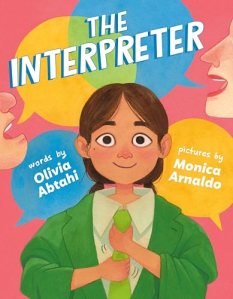 Some background here. I spent my career in a district with a very large ELL population. We’re not big – 7000 kids but 1200 of them are English Language Learners. Over 33 different languages other than English are spoken in our kids’ homes.
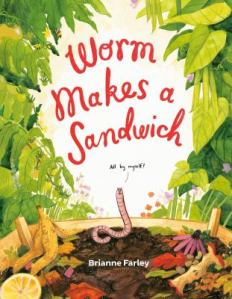 I would have thought composting would be one of the last subjects that could make an engaging picture book but Brianne Farley has done just that with
 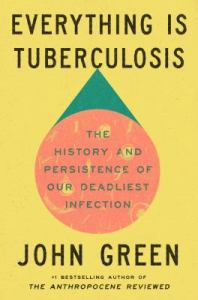 John Green is angry and by the time readers finish this new venture into adult non-fiction,
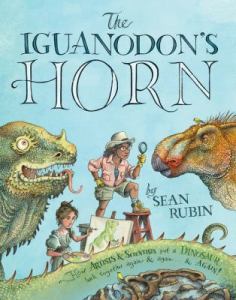 If you describe a book as being a terrific educational book, most kids will RUN the other way! Happily, for all of us who hope kids will love science and learning, there are a lot of deeply educational books that are so much fun that kids will demand to read them over and over – even in the summer! Sean Rubin’s
 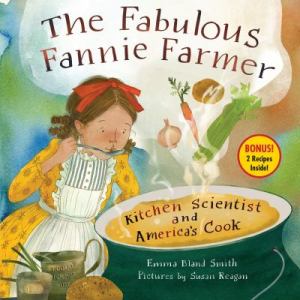 I love how science can be found everywhere! The importance of ratio, reactions, and measurement is as important to great food as the ingredients themselves. But that understanding wasn’t considered important until a young cook named Fannie Farmer started thinking about recipes and culinary instruction in the late 1800s.
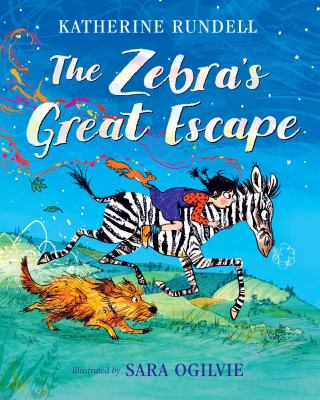 Many of us may be looking for books about escapes, good over evil, and with touches of humor, now more than ever.
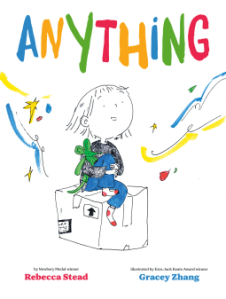 Change is hard for most of us. For young children it is especially difficult as they often aren’t old enough to really understand why change is happening. And importantly, kids seldom feel any power to affect those changes that seem so overwhelming. I think many adults are feeling that same helplessness in these chaotic times.
 I have never wished to be 20 years younger any more intensely than while reading
  bookendsblog.net