Lynn: 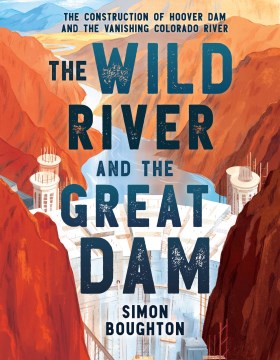 The iconic Hoover Dam is familiar to lots of us. Many young readers have visited the dam, driven over it or heard about it in the current news about lowering water levels. It is so familiar that perhaps the astonishing details of its development, construction and impact have been overlooked lately. Happily, Simon Boughton has remedied those issues with his new and fascinating book, The Wild River and the Great Dam: The Construction of Hoover Dam and the Vanishing Colorado River (Little, Brown, 2024).
I’m one of those who has visited the dam, toured its visitor center and driven over it multiple times. I have always marveled at its sheer height and construction but lately my interest has increased. I have a sister who moved to nearby Henderson and on our trips to see them, we have gotten to learn some amazing history of the area at the Clark County Historical Museum, monuments, and state and national parks throughout the region. And what a history it is! The dam played a central role in shaping not only the physical landscape but also the area’s economic, social, and cultural aspects. I could go on and on about some of the amazing things we’ve discovered but I’ll spare you. What I do want to rave about is Boughton’s new book that brings much of this incredible history to life for young people.
He begins the book by reminding readers that the Colorado was indeed a wild and untamed river prior to the dam. It flooded often with disastrous results. It was the height of the Great Depression and the U.S. Government sought to not only control the river, but bring water and power to the agricultural industries of the California valleys and also provide jobs to the millions of jobless Americans. The book details the process that determined the site and chose the construction company that faced the incredible task that lay ahead. Not only did they have to take on an unprecedented engineering project but they had a relatively short timeline with monetary penalties!
I was fascinated with the sheer technical challenges of the project. Some of the advances in technology that made the dam possible were brand new and without them the dam could never have been built. The conditions for the workers were beyond hazardous with life-threatening heat, carbon monoxide levels, appalling work sites, rock falls, dynamite mistakes and more. If workers complained, there were hundreds more ready to take their places. Many workers brought their families to this hostile place where there were no living facilities ready for them. Throughout the book, I marveled that the dam was ever constructed at all, AND that it was finished 2 years early!
The book does an excellent job of describing the history of the time, the lasting impact of the influx of workers on the area, and the deliberate discrimination that occurred against Blacks and Native Peoples who owned the land for millennia. The concluding chapters address the serious water issues that over-use, climate change and seriously low river levels are bringing – a sobering next chapter in the great Colorado’s story,
Excellent backmatter includes a detailed timeline, lists and maps of other dams, and extensive notes. The book contains many archival black-and-white photographs that chronicle the dam’s construction. This is a terrific choice for middle and high school library collections.
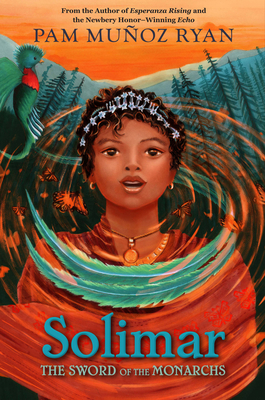 Cindy: When the package with Pam Muñoz Ryan’s new book arrived, it took my breath away. Inside the packing box was a huge monarch butterfly, its wings closed over an advance reader copy of

 Lynn: Let’s set politics aside and admit that our world is in big trouble. Kids know it and are motivated to do something about it. But many also feel overwhelmed by the size of the problems and don’t know how to start. Happily, we have a book to help!
  Lynn: The title of Candy Cooper and Marc Aronson’s upcoming book,
  vel. In fact, lead poisoning from paint was featured in the 2004 middle school novel,
  bookendsblog.net