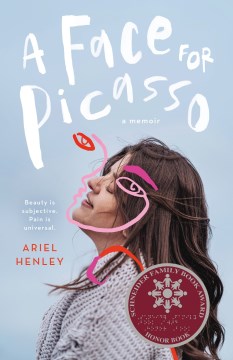
 Lynn: What is beauty? That question has deeply impacted lives, especially of women, through time and remains a dominant force today. And how does that definition dominate your life and worth if you are not beautiful by the classic ideal? Perhaps none know the answers to that better than Ariel and her twin sister Zan, born with a rare genetic disorder, Crouzon Syndrome. The life-threatening disorder causes the bones of a person’s face to fuse in infancy. With the skull unable to expand, the brain’s and face’s normal growth cannot happen. To save their lives, the twins underwent dangerous surgery at 8 months of age and eventually more than 60 surgeries to “correct” their facial features.
Ariel Henley’s searing memoir brings this experience to readers in her debut book and it is unforgettable. When they were young children, a national magazine carried a story about the twins, writing that, “their faces resemble the works of Picasso.” Henley uses Picasso’s appalling life story and treatment of women to frame her story, eventually reclaiming her life from that narrow definition and moving past it. Her story is broken into three parts, Before, After, and Healing with 7th grade, an especially emotionally traumatic year, as the midpoint.
Henley’s account describes the risky, often experimental, and incredibly painful surgeries in some detail but the most enduring pain she describes is the treatment and reactions of other people. That pain was deeper and more lasting than any surgical procedure and marked the twins in ways that it has taken decades to deal with. The casual cruelty of other people is the stuff of nightmares and Henley writes of it with great skill. The twins had a wonderfully supportive family and childhood friends but for years the reactions of others defined their sense of worth. Ariel Henley has come a long way in her healing and her story is both painful to read and incredibly inspiring. She is a writer to watch and a person to cheer for. Her reflections on beauty and how we as women allow that ideal to define us is, for me, the heart of this story. I will be pondering this for weeks to come.
Sadly, this book was hard to find in my public library consortium. It should be purchased by all libraries and available for teens and adults everywhere.
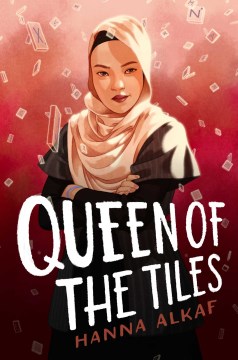 Lynn: REGICIDE is the first ominous clue in Hanna Alkaf’s unusual mystery,
 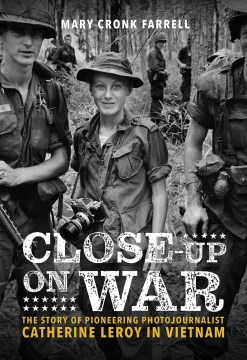 Did you ever wonder where the term “snapshot” comes from? Mary Cronk Farrell includes this tidbit (from the sound made as a picture was taken and the film advanced) in her outstanding new book, Close-Up on War: the Story of Pioneering Photojournalist Catherine Leroy in Vietnam (Abrams/Amulet, 2022). This fascinating book is also a snapshot – a captured picture of a pivotal time and the determined woman who recorded it on film for the world to see.
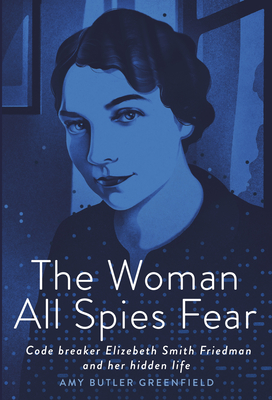 Cindy: We realize that many of you are already familiar with this 2022 YALSA Excellence in Nonfiction for Young Adults finalist, but we have to talk about
 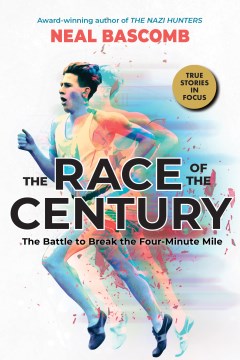 Did you know that 70 years ago most people believed that running a mile in 4 minutes was impossible and beyond the limits of the human body? “It was something that God himself had established as man’s limit,” said one writer. But suddenly in 1952, three runners were poised to do just that. It did happen, of course. Two of the three broke the 4 minute mile in 1954. Today’s record is 3.143.13 seconds. How did mankind achieve this “unbreakable” speed? I am not a runner. My idea of exercise is a daily walk with my camera. But it is amazing the unfamiliar paths that a wonderful nonfiction writer will coax a reader to trod and thanks to Neal Bascomb’s latest book,
  I grew up awed by my parents’ stories of growing up during the Great Depression and, as a child in the 50s, I also have strong memories of the photojournalism of weekly periodicals such as Life and Look. I’m an amateur photographer too so all my interests were piqued when I learned of Martin Sandler’s upcoming book. It has been a long wait but
 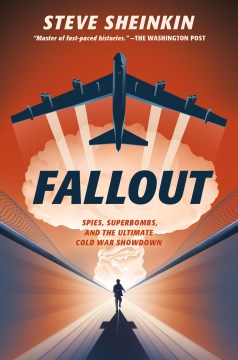 Where were you in October 1962? I know a whole lot of you weren’t even on this planet yet but how much do you know about how close we came to annihilating this place we call home? I was a young teen at the time, going to junior high in Belmont, MA and I remember those days quite well. I think I especially remember them because I realized my father was grimly worried, even scared. We watched the reports on the news and when I asked my dad if there would be a war, all he would do was shrug. I remember too, the sigh of relief when Russia “blinked” but I also remember an overwhelming sense of helplessness at these events that could wipe out the world and there was nothing I could do.
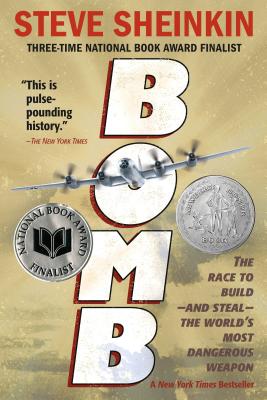 I couldn’t turn the pages fast enough, and I was holding my breath in places (when I wasn’t gasping) even though I knew the outcome. What I didn’t know was many of the details and stories behind the Cold War build-up, the dangerous rescue efforts after the Berlin Wall went up, and the last hour unlucky mishaps during the Cuban Missile Crisis, any one of which could have could have been more than disastrous, but for some added good luck. Obviously, this is a natural sell to teen readers who were fascinated by Sheinkin’s earlier YA book,
 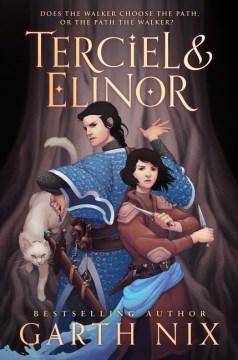 Nice things often land on my porch and recently something especially nice arrived. It was an unexpected surprise too—one I didn’t even know was coming. Inside the box was an advanced reader copy of
 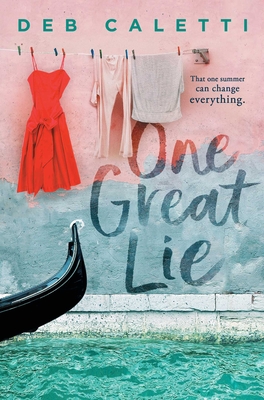 The cover and the initial plot of Deb Caletti’s newest,
 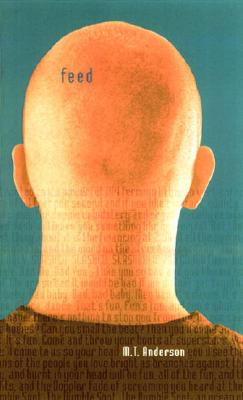 Cindy: I’ve recently added some bookshelves in my house (yay!), which prompted a reorganization of my collections. As I sorted and tried to purge some books, I also had my hands on old favorites that won’t be moved along. Some of my favorites come from award committees or special publisher events where I picked up personalized autographs from favorite authors. Lynn and I thought it might be fun to start an occasional feature of some of our autographed books and any stories that might accompany them. Well, at least those that we have permission to share. Let us know what you think.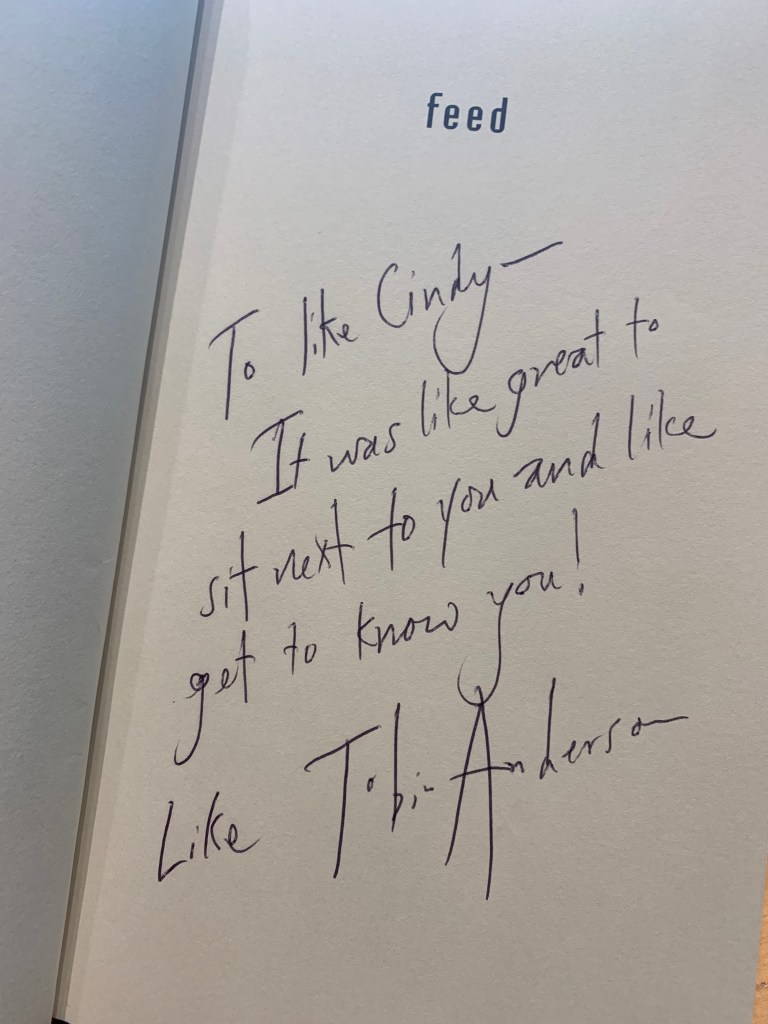
 bookendsblog.net