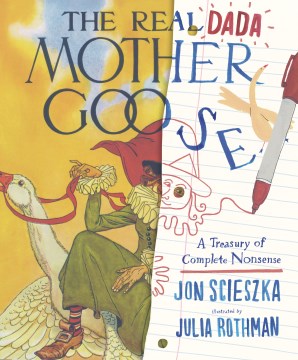
 Lynn: I have a tendency toward morose reflection in the last week of a waning year. An antidote is needed and I found an outstanding one in Jon Scieszka’s The Real Dada Mother Goose: A Treasury of Nonsense (Candlewick, 2022). This delightful book is just what the reading doctor prescribed for diverting gloom and eliciting laughter.
Just to refresh: Dada is creating art through humor and absurdity. And what could be better to take us smiling into the New Year? Scieszka takes his start with the classic collection The Real Mother Goose by Blanche Fisher Wright, published by Rand McNally in 1916. Trust me, it is just the platform for an incredible dive into what imagination and humor can do. Scieszka chose 6 well-known Mother Goose Rhymes. He begins each of 6 chapters with the original rhyme and then follows with Dada word play on the rhymes. Hey Diddle Diddle, for example, has the Dada treatment applied with a Haiku, a recipe, a Pop Quiz and a map. Hickory Dickory Dock appears in Egyptian Hieroglyphs, a Crossword puzzle and an “N + 7” code. Each new poem is a puzzle and each is a wonderfully clever.
Julia Rothman’s illustrations are done in mixed media. They are created in the style of the original Mother Goose book but, using Dada style, she includes whimsical touches including a yellow goose that appears throughout the book. The book design too is masterfully done making it appealing, easy to read and to appreciate the many details while also giving a nod to the reader’s sense of the absurd.
Also provided are Notes on all the forms, puzzles and codes used throughout the book. These are really fun to read and it is impossible not to want to instantly start creating your own versions. Included here too is a Mother Goose history and information about Blanche Fisher Wright.
This would be a fantastic book to use in a language arts classroom to read aloud, as a sponge activity with real value and as a writing prompt. I guarantee it will take you into the New Year smiling.
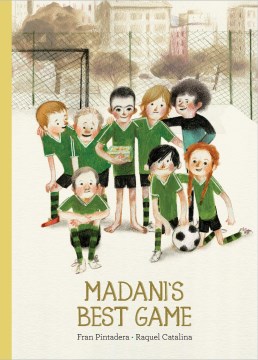 I hope this World Cup, despite its many issues, is bringing love of the Beautiful Game to more Americans and bringing a clearer understanding of how it is loved around the world. I know many American children now play soccer on recreational and school teams but the book I am writing about today is about how millions of kids really play the game and what it can mean. Madani’s Best Game (Eerdman’s, 2022) is by Spanish author Fran Pintadera and translated from Spanish.
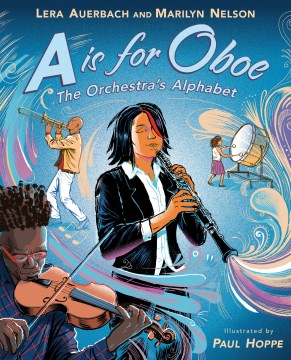 I can’t celebrate Picture Book Month without reviewing an Alphabet Book! Long-time readers know it is one of my favorite types of picture books. My love of them began farther back than I’d like to admit and in fact, I still own my battered copy of Hillary Knight’s ABCs purchased for me by my father before I was even born. I’ve loved them ever since and have quite a collection. For me, alphabet books are a testament to the extraordinary creativity that illustrators continue to bring to what could be a mundane genre. They continue to be ever-fresh and brilliantly original.
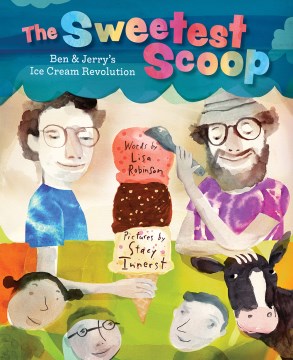 What kid doesn’t love ice cream? And who hasn’t heard of or tasted one of Ben and Jerry’s crazy flavors? The new picture book The Sweetest Scoop: Ben and Jerry’s Ice Cream Revolution by Lisa Robinson had me smacking my forehead and wondering, “Oy! Why didn’t I think of that????” It’s a kid-perfect book, right? Could there be a better book for a classroom intro to biography or nonfiction?
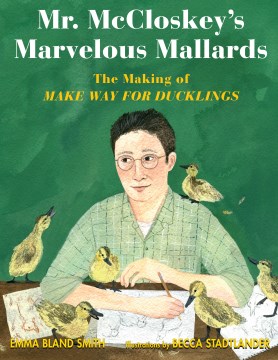 nn: November is Picture Book Month and what better way to celebrate than writing about a picture book that celebrates a classic and much-loved picture book? Robert McCloskey’s Make Way for Ducklings (Viking, 1941) won the Caldecott and is still treasured by children. The story behind McCloskey’s book has been told in Leonard Marcus’ book, Caldecott Celebration (Walker, 2008) and now Emma Bland Smith brings that inspiring story to children in Mr. McCloskey’s Marvelous Mallards (Calkins Creek, 2022).
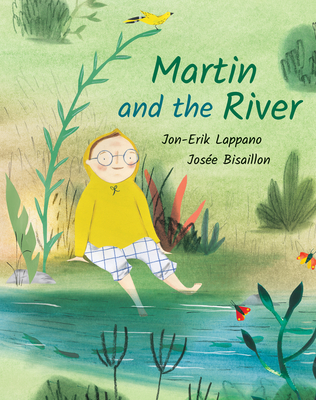 Martin has a river flowing through the fields behind his house and he spends his days catching frogs and “watching the great blue herons soar like dragons over the water.” When his mother takes a job in the city and Martin learns they will have to move, he is devastated. Promises of museum visits and subway rides do nothing to soothe him. Martin spends time at his river trying to scheme a plan but fails to come up with any good ideas. His parents wisely take him on some visits to the city before the big move. Martin’s imagination comes to his aid and he sees bits of nature and animals in the bustling city, but his heart melts when he sees the park…with a river.
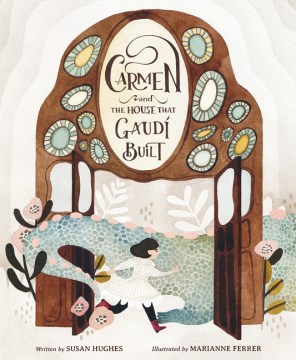 Like Martin in the previous book, Carmen is a country child who loves the woods around her home. She spends hours there exploring with her invisible Salamander friend, Dragon. Carmen is devastated when she learns her father has commissioned a house in the city and that soon the family would move there. When the architect, Señor Gaudi, visits, Carmen refuses to come inside to meet him but Señor Gaudi, standing on the lawn somehow sees her AND Dragon. As the new house progresses, Carmen sees the beauty of nature reflected in the designs. After two years, the house is finished and Carmen must leave her friend behind. But the finished house has an amazing wild beauty. Most astonishing of all is the beautiful stone salamander wrapped around the roof. Carmen has found a home in the city.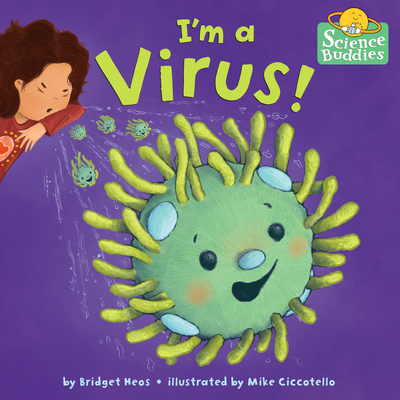
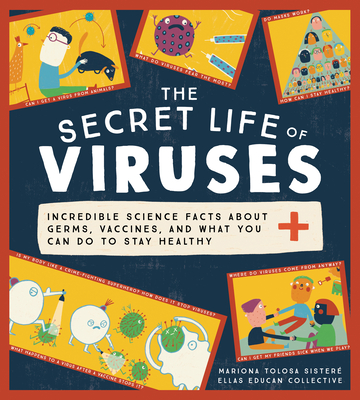 The Secret Life of Viruses: Incredible Science Facts About Germs, Vaccines, and What You Can Do to Stay Healthy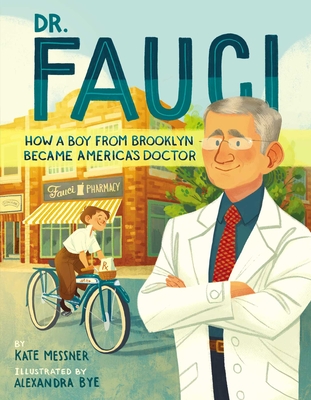
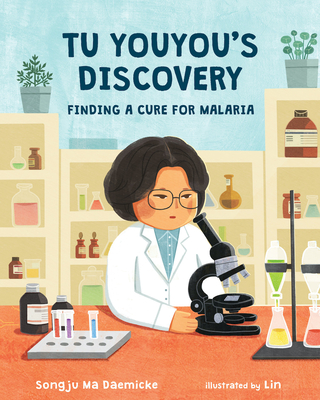
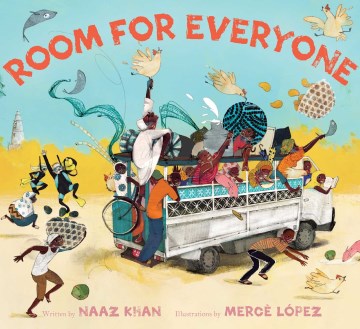 In Zanzibar on a day “hotter than peppers”, Musa and his sister get aboard the daladala for an excursion to the beach. In the delightful
 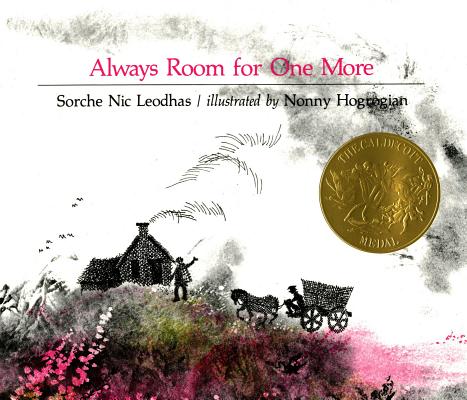 Cindy: This story is a fun twist on the Scottish folktale,
 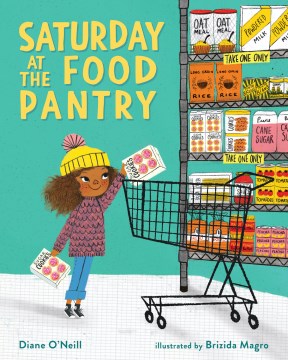 I am one of the lucky people who doesn’t have to worry about having enough food each week but for more than 50 million Americans that issue is a constant worry. Hunger in America climbed by more than 20 million in 2020 alone. School people across the nation are painfully aware of how many of our students go to bed hungry each night. As a school board member, one of our biggest concerns about closing school for any reason is that many of our children will not eat that day without the meals they get at school.
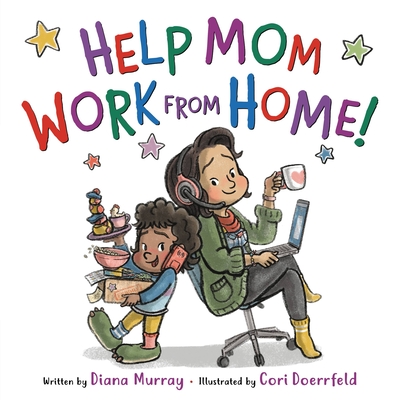 Cindy: Almost two years into the pandemic and many families may have set up work and school areas at home and figured out technology needs and apps, but it really hasn’t gotten any easier and the novelty has definitely worn off.
  bookendsblog.net