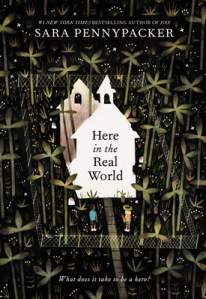
Cindy: Children who embrace time alone, time to think, and time for their own pursuits are going to quietly embrace Sara Pennypacker’s new middle-grade novel, Here in the Real World (Harper/Balzer + Bray, 2020). Ware’s summer plans with his grandmother get sidetracked when she falls and breaks a hip landing her in rehab. His parents immediately sign him up for another summer of “Meaningful Social Interaction” with a side of humiliation that is the local Rec camp. He offers to pay them twice as much as the camp fees to let him stay home alone, he’s eleven, after all. They refuse. He skips out of Rec on the first day during a morning run and takes refuge at a crumbling church nearby. There he meets Jolene, who is using the church’s lot to grow a garden in coffee cans. Battle lines are initially drawn as the two stake their claims and go about their projects. Ware, fascinated by the Middle Ages, is turning the church into a medieval castle. Soon their refuge is threatened by a bird welfare organization and the potential sale of the church. Jolene and Ware must join forces and fight for the land that is so important to them.
Both kids have personal issues. Ware is different and he has overheard his mother wish that they just had a normal kid. Jolene’s situation slowly comes to light, although experienced readers will understand her issues of abandonment and abuse sooner rather than later. Both kids inspire the reader to champion their cause and to enjoy watching the transformations that ensue. Being quiet and being different is okay.
Lynn: One of the things I admire most about Sara Pennypacker’s writing is the way she gets how kids think and then puts readers right there in that experience too. That aspect is a highlight of Here in the Real World. Introverted Ware with his rich inner life, is vividly and authentically portrayed here. We feel Ware’s acute anxiety over the prospect of daily immersion in the summer rec program and we also feel his misery at how he thinks he disappoints his mother by being who he is. Watching Ware grow throughout the story and become confident in himself is the real joy of the book. I was a kid like Ware. I remember still my deep unhappiness at the prospect of the noisy horror of things like birthday parties and I still shudder at the thought of games like Musical Chairs!
One of the great gifts of reading is the ability to see through someone else’s eyes and this thoughtful book provides children unlike Ware to experience his feelings and those like him to be reassured. And seriously – what kid could resist the idea of that medieval castle complete with moat? Don’t miss this quiet and wonderfully crafted book.
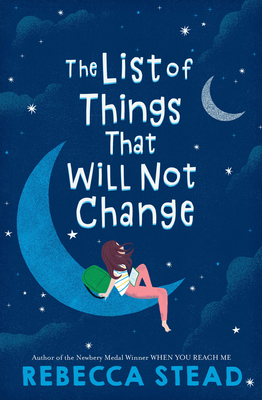 I could make a list of things I admire about Rebecca Stead’s writing, but instead, let me tell you about her latest book,
  Lynn: Linda Sue Park, like so many readers, was a childhood devotee of the Little House books. Also like many, she was bothered by some of what was said and what was left out in terms of race but she loved the stories deeply. As she says in her wonderful Author’s Note, Park wrote

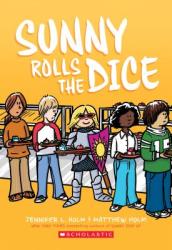 Sunny Rolls the Dice
 Guts
Guts
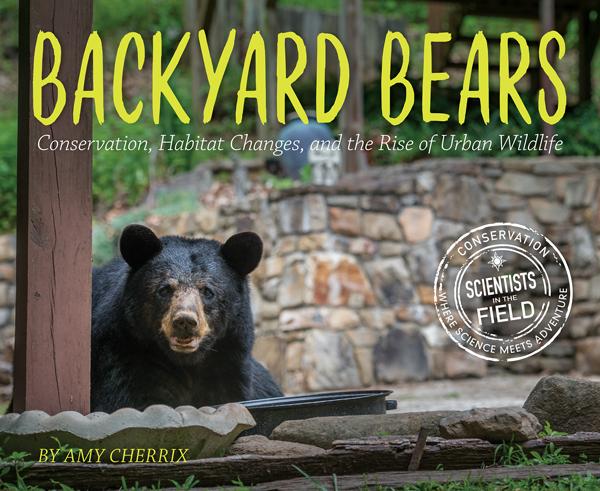 Lynn: Question: what does a wildlife biologist use to bait a live trap for a bear? Answer: day-old doughnuts! This may sound like a joke but it’s true and it is also only one of many fascinating things I learned in
  Earth has been made unlivable and the few who escaped are clinging to survival on the Mars station as food, supplies, and breathable air are running out. Told by 6th-grader Lan, a nick-of-time invitation arrives allowing these remaining humans to settle on the distant Planet Choom. Twenty years in stasis travel later, the human ship arrives only to be told that the government of Choom has changed its mind. Reluctantly, Choom officials agree to a test case—one “human reproductive unit” will be allowed to settle temporarily. Lan’s family is chosen with the future of humanity riding on their shoulders. “No pressure!”
 bookendsblog.net