Cindy and Lynn: we know, we know. We’re all really tired of hearing about “the virus.” But, after two years of COVID quarantines, infections, shut-downs, mask mandates, and remote work if you still don’t know how to explain what a virus is, how it works, and how scientists study them and try to defeat the bad ones, this round-up of nonfiction picture books may help you focus the microscope. If you have other virus books for a young audience to recommend, leave us a comment.
I’m a Virus! by Bridget Heos (Crown, 2022)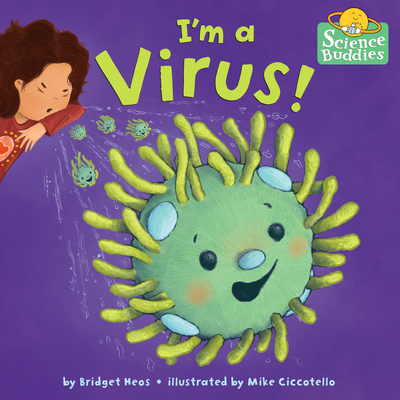
From a sick girl’s sneeze to her friend’s nose, a common cold virus explains how it invades, multiplies, and attacks to spread from person to person. The science, which also covers the body’s immune response, is infused with humor and illustrations that help the information go down like a spoonful of sugar! Covid-19 is mentioned, as is Smallpox and Jenner’s first vaccine. A double-page spread introduces the many types of white blood cells and their jobs in defending you from illness. A glossary, suggested reading and bibliography round out this first entry in the Science Buddies Series.
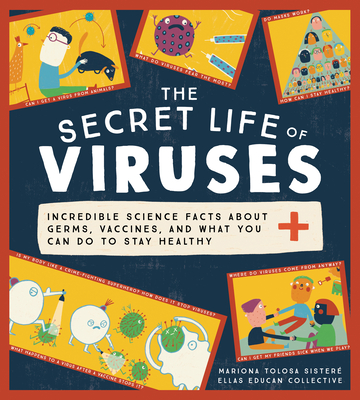 The Secret Life of Viruses: Incredible Science Facts About Germs, Vaccines, and What You Can Do to Stay Healthy by Mariona Tolosa Sisteré Ellas Educan Collective (Sourcebooks, 2021)
Vibrant and humorous illustrations complement solid information written by a women’s science collective about a wide variety of viruses. Topics include how the body defends itself, viruses in history, and the benefits of some viruses. A True/False quiz at the back reinforces important content.
 Dr. Fauci: How a Boy from Brooklyn Became America’s Doctor by Kate Messner (Simon & Schuster, 2021)
This picture book biography of the current director of the National Institute of Allergy and Infectious Diseases, begins in his childhood as a curious child of parents who owned a pharmacy and continues through his medical education and his work under seven U.S. presidents. Backmatter includes: How Do Vaccines Work?, Are Vaccines Safe?, and Dr. Fauci’s Five Tips for Future Scientists, a Time Line, Recommended Reading, and Fauci family photos.
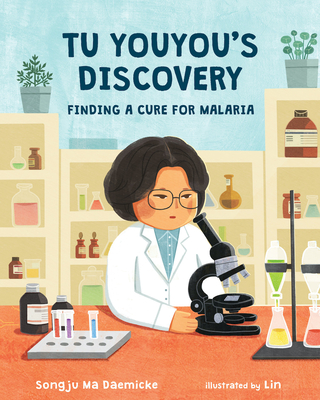 Tu Youyou’s Discovery: Finding a Cure for Malaria by Songju Ma Daemicke (Albert Whitman, 2021)
Like Dr. Fauci, Tu Youyou was interested in medicine and research from a young age, partially due to her own struggle with tuberculosis as a teen. In 1969, an illness called Malaria, spread by mosquitoes, was killing people worldwide and became the focus of her research and experiments. This nonfiction biography picture book emphasizes the persistence needed in medical research as doctors search for answers and cures, and highlights the scientific process as well as gender discrimination. For her work, Youyou was honored with a Nobel Prize in 2015, the first Chinese woman to receive one.
 : Say the word “poop” and you get every kid’s attention. But of course, the management and disposal of poop is a critically important health issue for people everywhere. So how do you help kids learn about the serious facts behind this stinky subject—all the while acknowledging that the giggles are inevitable? Colleen Paeff has the answer with her wonderful picture book,
 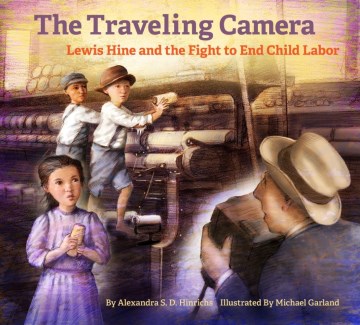 Lynn: My introduction to Lewis Hine came through Russell Freedman and his memorable book,
 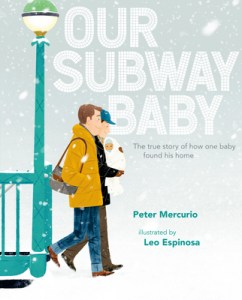 Cindy: First up is a nonfiction adoption story told by father to son. On the way home from work as he is leaving the NY subway, Danny spots a bundle in the corner and discovers a baby just a few hours old wrapped in a sweatshirt. The police were called, the newspapers covered the story, but Danny wasn’t allowed to visit the baby to check on him because he wasn’t family.
 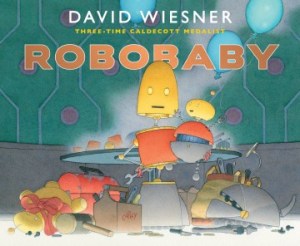 Lynn: Our second story is about a baby who gets delivered—right to the front porch! The robot family introduces little Cathode (Cathy) to her new baby brother. All he needs is a little assembly since he arrived in a box.
 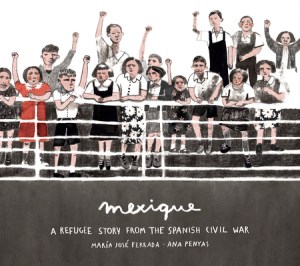 Cindy: When my middle school students and I read Alan Gratz’s novel,
  Lynn: Decades before Rosa Park refused to sit in the back of a bus, another brave determined woman demanded her rights on a streetcar in New York. Beth Anderson tells her inspiring story in
 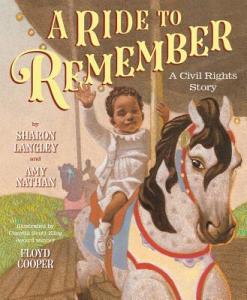 Cindy: Another African American girl who took an important seat is featured in
 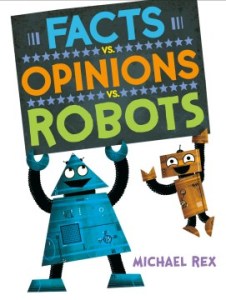 Lynn: You’d have to live in a cave in the wilderness not to know that far too many Americans have a very sketchy concept of what a fact actually is or how to verify it. The need to understand this important issue is one of national importance these days as it is clear that millions of adults don’t grasp the difference and the impact on our culture is stark. Here, with a great way to start addressing the issue, is Michael Rex with a fabulous picture book,
 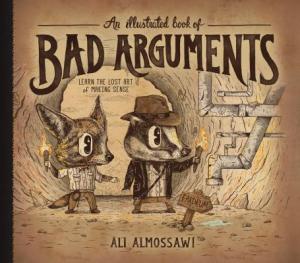 This book for the very young audience brings to mind a book for older students that we reviewed over at Booklist Reader during the last presidential election cycle and it’s worth mentioning again as the facts, opinions, and faulty logic arguments ratchet up. Read our blog post about
 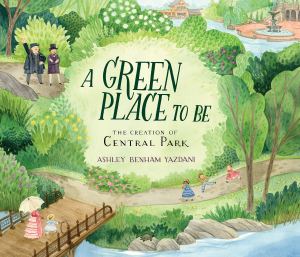 Cindy:
 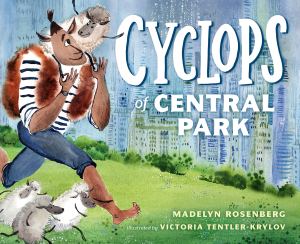 Lynn: Frederick Olmstead and Calvert Vaux’s extensive planning, hard work, and attention to every detail resulted in a spectacular garden. But Madelyn Rosenberg imagines a denizen of the park that never showed up in those original plans in a delightful picture book titled,
 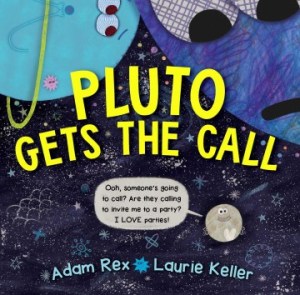 Lynn: Who doesn’t love an underdog or in this case an underplanet? Lots of us have been rooting for Pluto ever since it got reclassified as an ice dwarf a while ago. Adam Rex tops my planetary chart though with his hilarious AND informative new picture book on Pluto,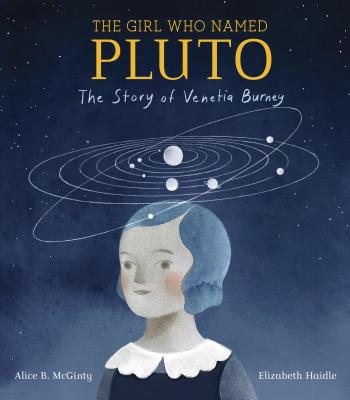
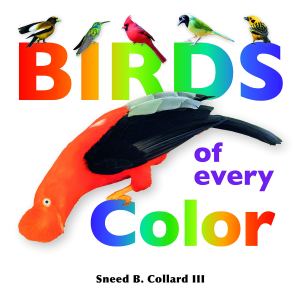
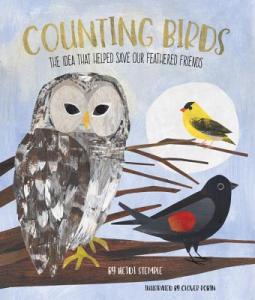 Stemple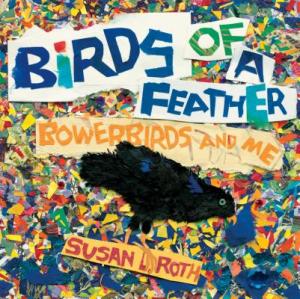
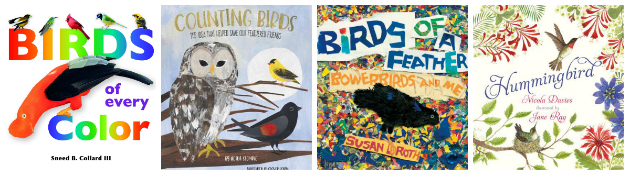
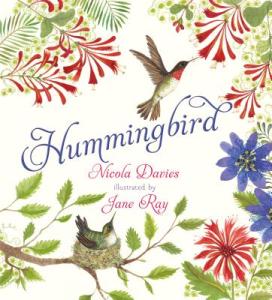 Davies also takes on a single species while explaining bird migration. Ruby-throated Hummingbirds are visiting my nectar feeders and flowers while they get ready for their long flight back to Mexico, Central America and the southern part of Florida to spend their winters. Even adults are amazed by the endurance of these tiny birds so children are sure to be enchanted with this book. It’s the story of a young girl who learns about the migration from her Granny and from her own observations after flying on an airplane to New York City where she sees her favorite bird during the summer. Hummingbird migration and breeding facts are included to supplement the story, beautifully illustrated by Jane Ray.
 bookendsblog.net